

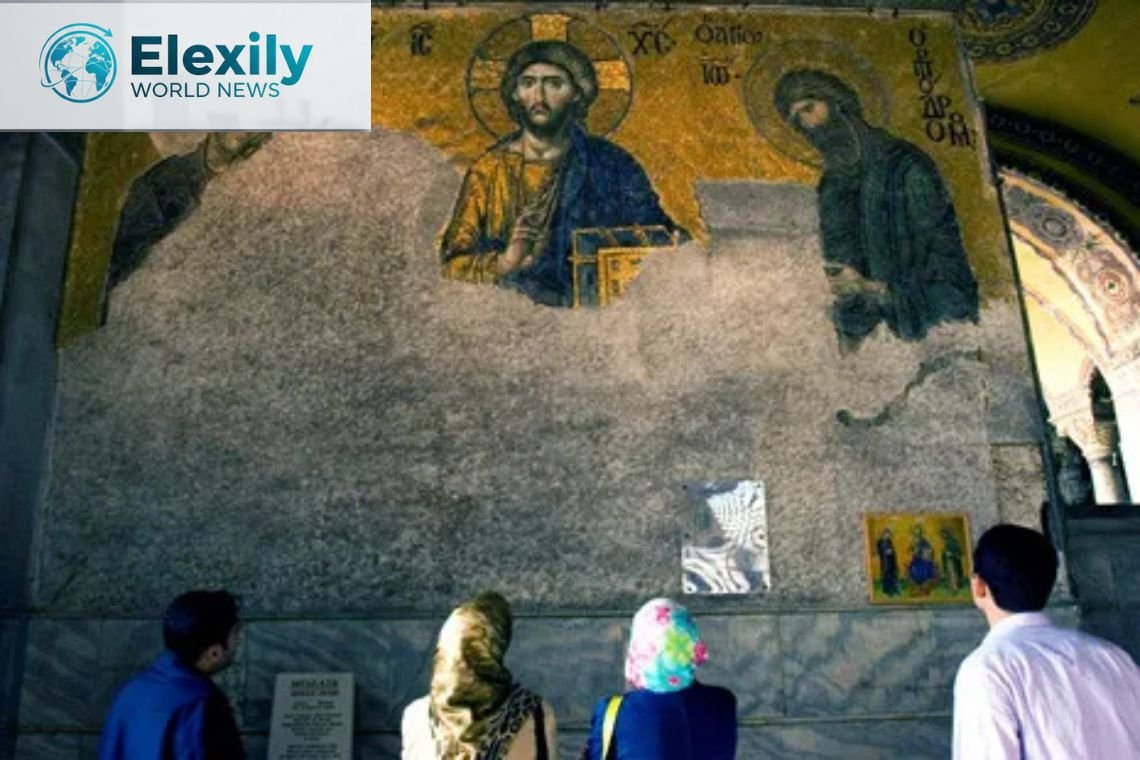
Easter is one of the most important holidays in Christianity, celebrating the death and resurrection of Christ. Many people wonder, do Muslims celebrate Easter or take part in these traditions. In Islam, Jesus, known as Prophet Jesus (Isa), is deeply respected, and his life and miracles are described in the Qur’an.
However, Muslims do not observe Easter as a religious holiday because it is tied to the Christian gospel and the cross in Christianity, which Islam views differently. Understanding these differences can help promote interfaith dialogue with Muslims and respect for diverse religious practices while clarifying why Easter is not part of Islamic celebrations.
Introduction to Easter and Islamic Perspectives
Easter is one of the most important festivals in Christianity, marking the Jesus’ resurrection after his death on the cross in Christianity. It symbolizes hope, renewal, and the fulfillment of Biblical prophecies about Jesus. Many Americans often ask, do Muslims celebrate Easter? Understanding this question requires exploring Islamic views on Jesus and religious celebrations.
In Islam, there is deep Respect for Jesus in Islam. The Virgin Mary in Islam is honored as the mother of Prophet Jesus (Isa). Qur’anic references to Jesus describe his birth, life, and miracles. Islamic traditions portray Jesus as a sinless prophet in Islam, not as the Son of God whose death and resurrection are celebrated. Answering do Muslims celebrate Easter helps promote interfaith dialogue with Muslims.
Do Muslims Celebrate Easter? Islamic Viewpoint
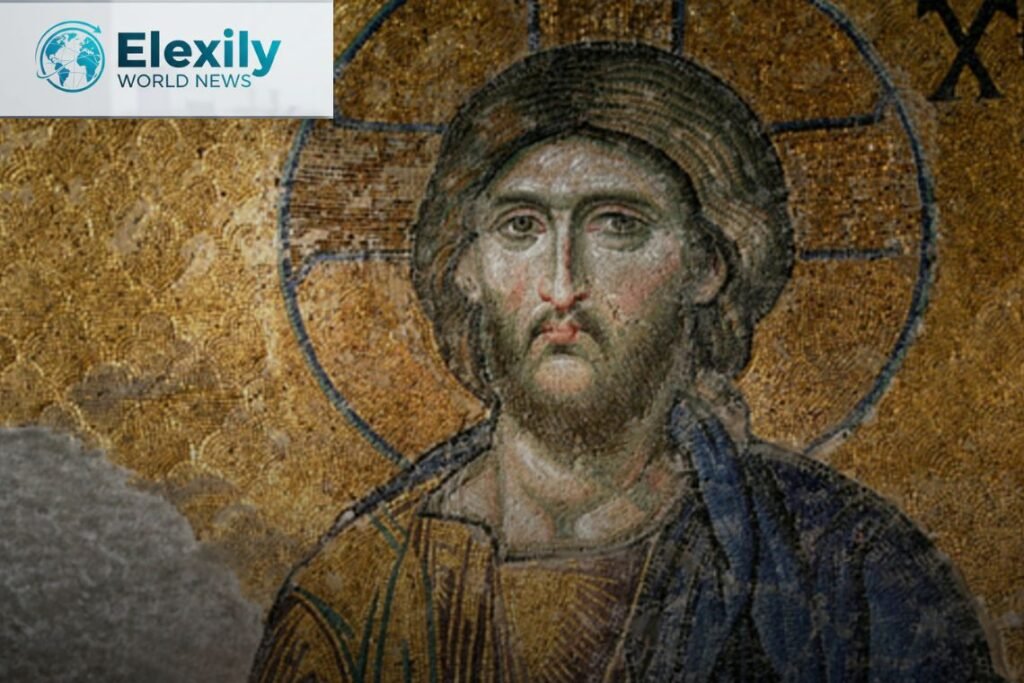
Most Muslims do not celebrate Easter as a religious event. The festival is based on the death and resurrection of Christ, central to the Christian gospel, but Islamic theology sees Jesus’ crucifixion in Islam differently. The Qur’an teaches that Jesus was not killed but raised to God. Therefore, celebrating Easter as a religious event is not part of Islamic practice.
Some Muslims may participate in cultural activities during Easter, such as family gatherings or community meals. This participation does not make them celebrate Easter religiously. Instead, it reflects cultural engagement while still respecting the Islamic view of prophets and the sinless prophets in Islam, particularly Jesus’ sinlessness.
Is it Haram to Celebrate Easter?
From an Islamic perspective, celebrating Easter as a religious festival is considered haram. Scholars explain that participating in rituals from another religion can compromise Islamic beliefs. Muslims are advised to focus on Allah and follow the teachings of the Prophet Muhammad and the Ka’aba.
However, attending Easter activities socially, such as an Easter brunch or charity event, is generally allowed. The key is the intention. Activities should avoid endorsing religious beliefs about the death and resurrection of Christ. This helps answer the question, do Muslims celebrate Easter, in a theological context.
Can Muslims Attend Non-Muslim Festivals?
Muslims can attend non-Muslim festivals for cultural or social reasons. For example, children may enjoy Easter egg hunts or families may join friends for meals. Such participation is seen as cultural, not religious.
Islamic teachings emphasize intention, maintaining faith, and honoring the embryonic and mysterious Jesus in Islam. Observing cultural practices while avoiding religious rituals allows respectful engagement with non-Muslim traditions, providing clarity on do Muslims celebrate Easter.
Jesus in Islam vs. Christianity
In Islam, Prophet Jesus (Isa) is highly respected and considered one of the greatest messengers of God. The Titles of Jesus in the Qur’an include Sign (ayat) of Jesus and Mary, Prophet, Spirit, Word, Messiah, highlighting his special status. Jesus’ miracles in Islam include healing the sick and raising the dead, also recorded in the Gospels. Muslims honor his birth and life while emphasizing Jesus’ sinlessness.
Christianity views Jesus as the Son of God, whose Redemptive act of Jesus on the cross brings salvation. The cross in Christianity and the death and resurrection of Christ are central. Christians see Jesus as Jesus as Messiah, Jesus as Word of God, and bringer of eternal life. Comparing beliefs helps understand why the answer to do Muslims celebrate Easter is no, yet Muslims still honor Jesus.
Do Muslims Believe Jesus Will Return?
Muslims believe Prophet Jesus (Isa) will return before the Day of Judgment to restore justice. The Qur’an describes him as a Sign (ayat) of Jesus and Mary, showing his importance in human history. This view differs from Christian beliefs about salvation through the death and resurrection of Christ.
This belief demonstrates respect for Jesus while maintaining Islamic boundaries. Comparing Muhammad and Jesus shows differences in missions and teachings, further explaining why do Muslims celebrate Easter in religious terms.
Understanding Christian Easter Traditions
Easter traditions focus on the resurrection of Jesus. Church services, sunrise prayers, and Christian gospel readings are central. Families often practice cultural traditions like decorating eggs or preparing meals. The Easter significance in Christianity is deeply rooted in scripture and faith.
Understanding these traditions helps Muslims engage respectfully in interfaith dialogue with Muslims. They may join Easter meals or community events without participating in rituals, maintaining their beliefs while appreciating culture, clarifying do Muslims celebrate Easter in a social sense.
Cultural vs. Religious Participation
Some Muslims enjoy Easter as a cultural event, not a religious one. Activities like egg hunts or family meals are social, not spiritual. The Qur’an emphasizes that intention matters, and participating culturally is generally allowed.
| Activity | Religious Significance | Cultural Participation for Muslims? |
| Church Service | High | No |
| Easter Egg Hunt | Low | Yes |
| Religious Prayer | High | No |
| Family Meal | Low | Yes |
This table shows how Muslims can interact with Easter culture without celebrating it religiously, answering do Muslims celebrate Easter clearly.
Do Muslims Celebrate Other Christian Festivals?
Muslims do not celebrate religious festivals like Christmas or Easter. Cultural participation, such as sharing food or gifts, is permitted if it avoids religious endorsement of Jesus’ resurrection. Muslims focus on the Islamic traditions about Jesus, maintaining respect for prophets while participating socially.
Eating Christmas or Easter Food in Islam
Eating Easter or Christmas food is allowed if it is halal. Sharing meals during these festivals is a social, not religious, act. Muslims respect culture while following Islamic law, reflecting the nuanced answer to do Muslims celebrate Easter.
Selling or Promoting Non-Islamic Items
Muslims may sell or work with items linked to Christian festivals. Actively promoting religious rituals is discouraged. Cultural participation can coexist with respect for Islamic teachings, including Jesus’ crucifixion in Islam.
Interfaith Families and Celebrations
Interfaith families navigate Easter carefully. Muslims living with Christians may attend family meals or community events while avoiding religious rituals. This allows harmony and respects the Islamic view of prophets and sinless prophets in Islam teachings.
Parents can involve children in Easter activities like egg hunts while teaching the Jesus in the Qur’an perspective. This ensures faith identity and fosters interfaith dialogue with Muslims, illustrating the social answer to do Muslims celebrate Easter.
Common Misconceptions About Muslims and Easter
Many believe Muslims hate Easter or cannot engage with non-Islamic festivals. In truth, Muslims honor Virgin Mary in Islam and Prophet Jesus (Isa) while avoiding religious observances. Cultural participation, like meals or community events, is acceptable.
Some also think Muslims do not believe in miracles. In fact, Jesus’ miracles in Islam are respected. Muslims recognize Jesus defending Mary and wondrous acts, respecting Easter significance in Christianity while not celebrating it religiously, clarifying do Muslims celebrate Easter for curious readers.
Conclusion: Navigating Faith and Cultural Awareness
Muslims do not celebrate Easter as a religious holiday but may respect cultural traditions. Recognizing the embryonic and mysterious Jesus in Islam, Titles of Jesus in the Qur’an, and Christian celebrations like Resurrection and victory over Satan fosters understanding.
By honoring Jesus as Light of the World and Bread of Life, Muslims can appreciate Easter socially without compromising faith. Comparing Islamic theology vs Christian theology helps families and communities engage in respectful interfaith dialogue while understanding do Muslims celebrate Easter in both cultural and religious contexts and more.
FAQS About Do Muslims Celebrate Easter
What do Muslims celebrate instead of Easter?
Muslims celebrate Islamic holidays like Eid al-Fitr (marking the end of Ramadan) and Eid al-Adha (Festival of Sacrifice).
What holidays can Muslims not celebrate?
Muslims generally do not celebrate religious holidays of other faiths, such as Easter or Christmas, as part of their religious practice.
Which religion does not celebrate Easter?
Islam, Judaism, and Hinduism typically do not celebrate Easter as a religious event.
Do Muslims eat Easter eggs?
Muslims may eat Easter eggs as a cultural or social activity, as long as the food is halal and not tied to religious rituals.
Why can’t Muslims celebrate Easter?
Celebrating Easter is seen as religious observance of Jesus’ resurrection, which conflicts with Islamic beliefs about Prophet Jesus (Isa) and his life in the Qur’an.








Leave a Reply