

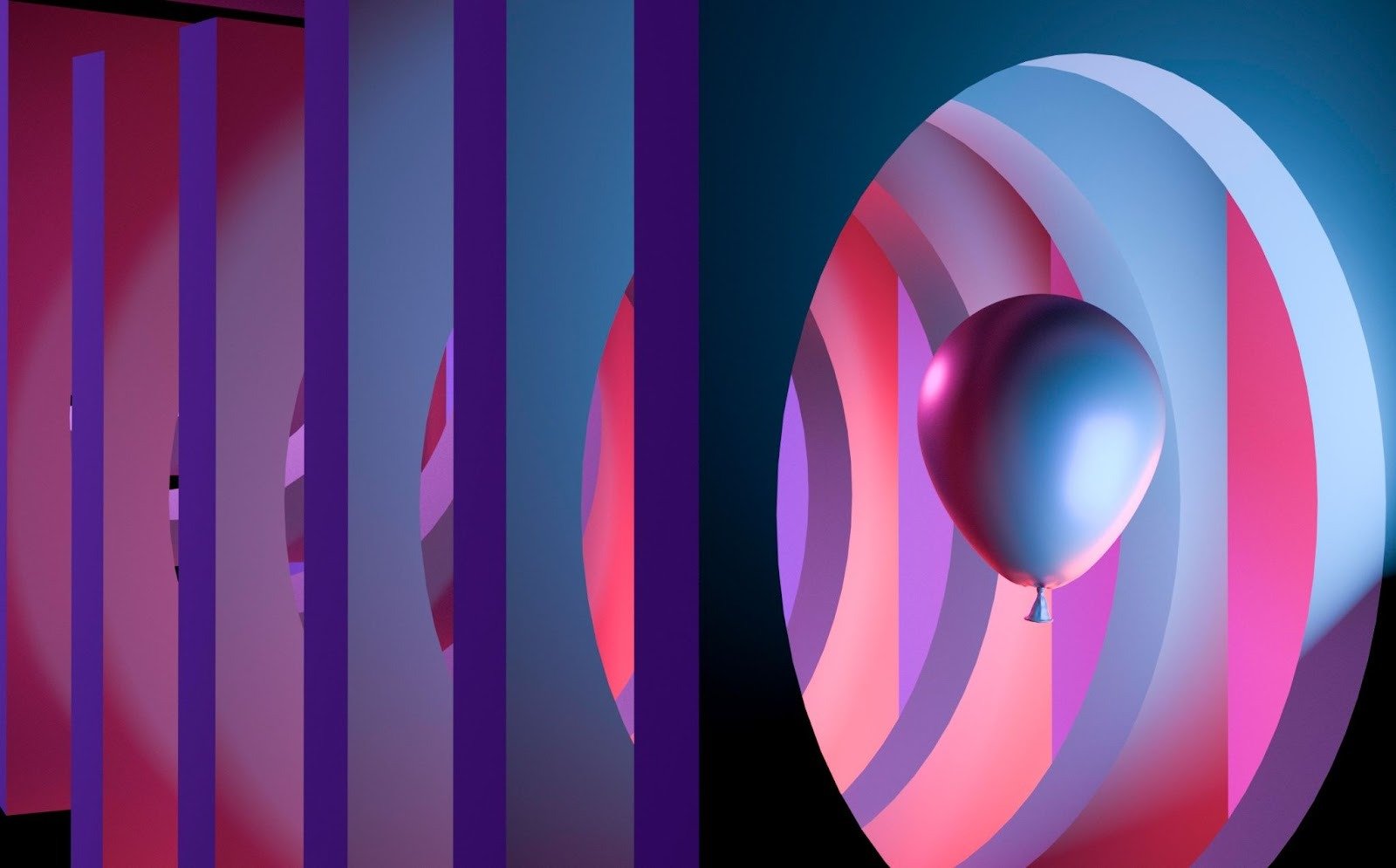
Volumetric light has become one of the most influential visual techniques in contemporary digital art and design. Its purpose is simple yet powerful: to make light itself visible. Instead of illuminating only surfaces, volumetric lighting reveals the space between objects, adding a layer of realism and depth that flat lighting could never achieve. In natural environments, we are constantly surrounded by atmospheric particles—moisture in the air, tiny dust grains, drifting smoke—and all of them scatter light in subtle ways. When an artist recreates this effect, the result is imagery that feels immersive, cinematic, and full of emotional weight.
Whether in photography, film, illustration, or 3D rendering, volumetric light enhances the viewer’s connection to the scene. It transforms empty air into a dynamic medium that interacts with light sources, producing soft beams, glowing haze, and dramatic silhouettes. The effect is instantly recognizable: sunbeams streaming between trees, golden rays entering a cathedral window, headlights cutting through fog at night. Scenes that use volumetric lighting are easier to interpret, more atmospheric, and visually richer, which is why the technique has become a cornerstone of professional visual storytelling.
The Principles Behind Volumetric Light
Although volumetric lighting appears effortless in the final image, the science behind it involves a series of precise interactions. When light encounters particles in the air, some of it is absorbed while some is redirected. This redirection—known as scattering—creates the visible glow inside the beam. The denser the particles, the more pronounced the effect. Fog, smoke, mist, dust, and atmospheric pollution all amplify volumetric lighting in real environments.
In digital spaces, artists must simulate these atmospheric conditions manually. They introduce a volumetric medium into the scene and allow the rendering engine to calculate how light travels through it. The shape, softness, and intensity of the beam depend on the density of the medium, the power of the light source, the distance to the camera, and the presence of obstacles. When a beam is partially blocked by a tree branch, window frame, or architectural structure, the shadows carve out distinct rays that feel physically grounded.
This combination of physics and artistry is what makes volumetric light so captivating. It is not simply a technical trick—it is a way of shaping mood, depth, and narrative.
Volumetric Light in Digital Art
Volumetric light elevates digital compositions by adding a sense of atmosphere that flat rendering cannot match. It helps define the environment, enhancing both realism and drama. A fantasy landscape becomes more mysterious when soft rays filter through a ghostly forest. A futuristic city gains energy when bright shafts of neon light cut through industrial haze. Even minimalist designs can benefit from subtle volumetric glow, which creates depth without overcrowding the scene.
In concept art, volumetric lighting guides the viewer’s attention toward key storytelling elements. It highlights focal points and adds visual hierarchy, allowing the scene’s narrative to unfold naturally. The technique acts as an emotional conductor, setting the temperature of the scene—warm and peaceful, cold and haunting, or bold and theatrical.
Halfway through modern creative workflows, many artists now integrate tools such as a free AI image generator to explore lighting ideas before moving into full production. Although AI does not simulate light physically as a rendering engine does, it can reproduce the appearance of volumetric lighting based on learned visual patterns. This has opened new possibilities for rapid experimentation, allowing creators to sketch out atmospheric concepts in seconds.
How Volumetric Light Shapes Mood and Meaning
The emotional impact of volumetric lighting is one of its strongest qualities. A simple beam of light can change the entire perception of a scene. Warm rays often evoke comfort, hope, or nostalgia. Cool-toned volumetric light, especially when combined with fog or rain, creates a sense of mystery, melancholy, or suspense. Harsh beams slicing through darkness can produce a theatrical or even threatening mood.
This emotional versatility is why filmmakers and game designers rely heavily on volumetric light. It fills environments with energy and movement. In games, it heightens immersion by making the world feel thicker and more alive. In film, it helps define atmosphere and gives scenes a memorable, visual signature.
Even in architectural visualization, volumetric lighting plays an important role. Designers use it to simulate how natural light interacts with interior spaces, enhancing the warmth of sunlight entering a living room or the calmness of morning haze filling a bedroom. It helps viewers imagine how the space feels, not just how it looks.
The Growing Importance of Volumetric Techniques
As creative tools evolve, volumetric lighting is becoming more accessible—no longer limited to large studios or advanced rendering specialists. Real-time engines like Unreal Engine and Unity now handle volumetric light with impressive fidelity, enabling interactive worlds with dynamic atmospheric illumination. Digital artists incorporate the technique into illustrations, matte paintings, and motion graphics to enrich their visual language.
Even outside technical fields, people recognize the atmospheric power of visible light. It has become a visual symbol of beauty, serenity, drama, and storytelling. We associate soft, glowing beams with awe-inspiring moments and cinematic emotion. This cultural familiarity makes volumetric lighting one of the most universally appreciated artistic tools.
Final Thoughts
Volumetric light is more than a visual effect—it is a blend of physics, emotion, and craftsmanship. Its ability to shape atmosphere and influence mood allows artists to create scenes that feel alive and multidimensional. By revealing the path of light through space, volumetric lighting transforms empty air into a stage where stories unfold. Today it remains an essential technique across digital art, filmmaking, and design, and its impact continues to grow as creative technology becomes more powerful and accessible.










Leave a Reply