

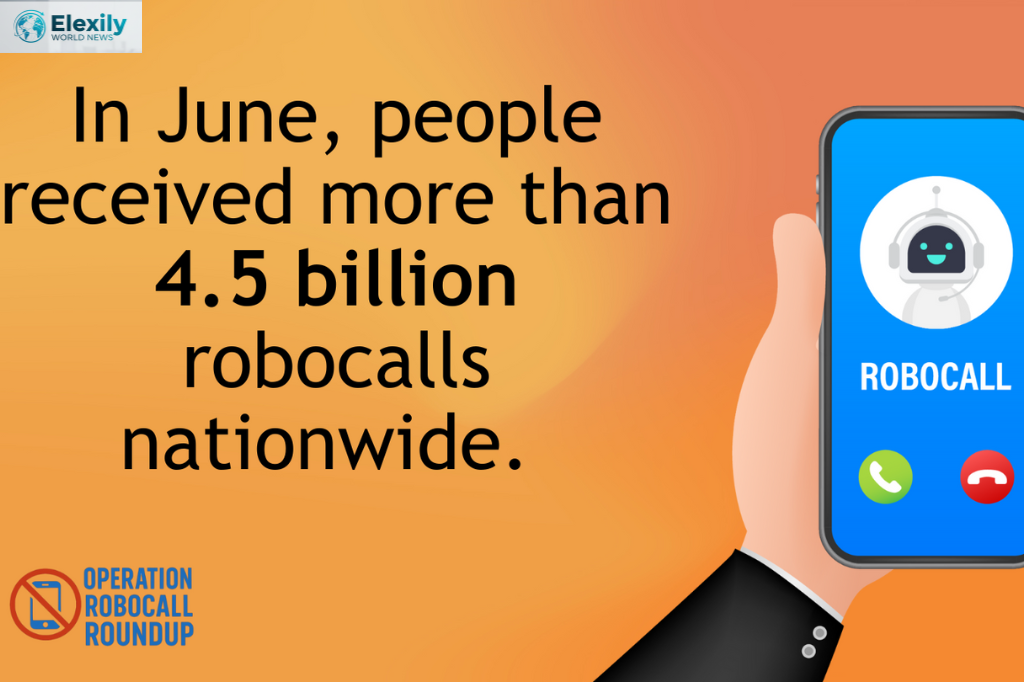
Robocalls have become one of the most frustrating problems for attorneys general robocall warning letters Illinois residents and phone users across the United States. Attorneys General Robocall Warning Letters The rise of illegal robocalls has led to millions of fraudulent calls targeting consumers every year, causing financial loss and privacy risks. To combat this, Attorneys General are actively sending warning letters to non-compliant telecom providers under strict federal and state regulations.
These attorneys general robocall warning letters demand immediate action to stop illegal activity, enforce call routing compliance, and protect consumers from scams. Coordinated efforts like the Anti-Robocall Litigation Task Force and Operation Robocall Roundup have made these initiatives more effective nationwide.
Attorney General James Takes Action to Stop Unlawful Robocalls
Attorney General James has been a leading voice in protecting consumers from robocall scams. Her office actively works to investigate companies that route illegal and fraudulent robocall traffic through phone networks. These actions include sending warning letters and coordinating with the Federal Communications Commission (FCC) to ensure telecom providers follow the rules. By cracking down on these calls, James helps reduce the risk of identity theft and financial loss for everyday Americans.
Through her office, AG James has also supported initiatives to strengthen telecom consumer protection nationwide. She collaborates with other Attorneys General to form a multistate coalition of attorneys general that enforces compliance and tracks down companies repeatedly violating robocall laws. This proactive approach creates a model for other states to follow and increases awareness about the risks of fraudulent calls.
Bipartisan Coalition of AGs Sends Notices to 37 Phone Providers to Stop Routing Fraudulent Robocalls
A multistate coalition of attorneys general recently sent official notices to 37 major telecom providers. These notices demand immediate action to stop illegal robocalls and comply with call routing compliance standards. By targeting companies that allow fraudulent calls to pass through their networks, the coalition prevents harm to millions of Americans. Coordination between states ensures that enforcement is consistent and nationwide.
The coalition’s efforts also highlight the importance of the Robocall Mitigation Database, maintained by the Federal Communications Commission (FCC). Providers who fail to register or submit mitigation plans face restrictions. This ensures that downstream providers do not accept calls from networks that do not follow the rules, creating a safer and more secure phone network ecosystem.
Attorney General Raoul Issues Warning Letters to 37 Telecom Companies, Launches Operation Robocall Roundup
Kwame Raoul recently launched Operation Robocall Roundup to target illegal robocalls nationwide. His office issued warning letters to 37 companies, including Advantage Investors LLC, Alpha Stream, BBT Voice Private Limited, and DigitalOcean LLC. Attorneys General Robocall Warning Letters These companies failed to comply with Federal Communications Commission (FCC) rules on traceback requests and robocall enforcement. By ignoring these rules, they allowed illegal and fraudulent robocall traffic to reach consumers.
The operation also targets over 100 downstream providers that accept traffic from the initial 37 companies. Companies failing to follow the rules risk being removed from the Robocall Mitigation Database, meaning other networks cannot route calls through them. Operation Robocall Roundup is a significant step toward nationwide telecom consumer protection and ensures Illinois residents and Americans elsewhere are shielded from fraudulent calls.
How Attorneys General Are Fighting Robocall Scams
Attorneys General use a combination of legal and technological tools to fight robocall scams. Attorneys General Robocall Warning Letters The Anti-Robocall Litigation Task Force investigates companies responsible for massive volumes of illegal robocalls. Their strategies include filing briefs in the Supreme Court, sending warning letters, and cracking down on robocalls through litigation and regulatory pressure. These actions deter companies from exploiting phone networks to spread scams.
Collaboration is essential. By forming a multistate task force initiative, Attorneys General coordinate with the Federal Trade Commission (FTC) and the Federal Communications Commission (FCC) to track violators. Enforcement actions also include creating telecom principles to fight robocalls, which set standards for telecom company responsibilities and strengthen consumer protection.
What Are Attorneys General Robocall Warning Letters?
Attorneys general robocall warning letters are official notices sent to telecom providers to address non-compliance with robocall regulations. These letters require companies to implement proper call routing compliance, register in the Robocall Mitigation Database, and respond to traceback requests. Ignoring these warnings can result in legal action, fines, or removal from the database.
The letters serve as a preventive measure before lawsuits or penalties. Attorneys General Robocall Warning Letters They educate companies about telecom consumer protection obligations and ensure phone networks are secure. Examples include notices sent to Advantage Investors LLC, Alpha Stream, and BBT Voice Private Limited, highlighting the companies’ failure to follow federal rules.
How Consumers Can Respond to AG Robocall Warning Letters
Consumers play a vital role in the fight against fraudulent calls. Reporting suspicious numbers to state Attorneys General or the Federal Communications Commission (FCC) helps regulators track illegal activity. Individuals can use phone apps to block robocalls, verify telecom provider compliance, and educate family and friends about scams.
Active participation ensures that illegal and fraudulent robocall traffic is quickly identified and addressed. Engaging with state AG offices also supports robocall enforcement actions, making the broader telecom consumer protection system more effective. Attorneys General Robocall Warning Letters Every report strengthens the network against misuse.
Impact of Attorneys General Robocall Warning Letters on Phone Providers
Warning letters have a strong effect on telecom providers. Companies failing to follow FCC rules may be removed from the Robocall Mitigation Database, limiting their ability to send calls. Attorneys General Robocall Warning Letters This leads to loss of business, reputational damage, and legal consequences.
Providers are now more cautious in monitoring call routing compliance. The presence of downstream providers increases accountability, as failure to comply can disrupt entire phone networks. The letters ensure that telecom company responsibilities align with consumer protection goals.
Recent Cases Highlighting AG Action Against Robocall Fraud
Several high-profile cases illustrate robocall enforcement by Attorneys General. Attorneys General Robocall Warning Letters Kwame Raoul and Attorney General James targeted companies allowing millions of illegal and fraudulent robocall traffic. Legal actions included filing briefs in the U.S. Supreme Court defending anti-robocall laws and sending warning letters to companies like DigitalOcean LLC and BBT Voice Private Limited.
These cases highlight the power of multistate coalition of attorneys general and the effectiveness of coordinated robocall enforcement actions. Attorneys General Robocall Warning Letters The results include reduced scam volumes, stricter industry compliance, and improved telecom consumer protection nationwide.
State-by-State Efforts to Combat Robocalls
Different states have adopted unique strategies to reduce illegal robocalls. California, Texas, Florida, and other states coordinate with the Anti-Robocall Litigation Task Force to monitor networks and enforce compliance. Attorneys General Robocall Warning Letters Each state targets high-volume offenders, ensures telecom company responsibilities are met, and educates consumers about fraudulent calls.
By sharing data and strategies, Attorneys General create a nationwide defense. This multistate task force initiative allows regulators to track violators across state lines, restrict non-compliant providers from the Robocall Mitigation Database, and reduce the risk of scams reaching Illinois residents and other Americans.
Tips to Protect Yourself From Robocall Scams
Consumers should remain proactive to stay safe. Attorneys General Robocall Warning Letters Using call-blocking apps, reporting suspicious numbers, and verifying provider compliance reduces exposure to fraudulent calls. Avoid giving personal information over unknown calls, and educate family members about scams.
Understanding robocall enforcement actions and the role of Attorneys General allows users to take informed steps. Every report helps strengthen telecom consumer protection, reduces illegal and fraudulent robocall traffic, and contributes to a safer phone network nationwide.
The Role of Attorneys General in Telecom Consumer Protection
Attorneys General are the frontline defenders of telecom consumer protection. They investigate illegal robocalls, collaborate with the Federal Trade Commission (FTC) and Federal Communications Commission (FCC), and enforce compliance through robocall enforcement actions.
Attorneys General Robocall Warning Letters Their work ensures that telecom providers maintain call routing compliance and that phone networks are secure. By sending warning letters, removing providers from Robocall Mitigation Database, and filing legal cases, Attorneys General uphold consumer rights and prevent the proliferation of fraudulent calls and more.
FAQS
What is a robocall warning?
A robocall warning is a notice from Attorneys General or regulators alerting consumers or telecom providers about illegal or fraudulent calls.
Why am I suddenly getting so many robocalls?
Your number may have been leaked or added to marketing lists, allowing illegal robocalls to target you frequently.
What makes a robocall illegal?
A robocall is illegal if it violates the Telephone Consumer Protection Act, such as calling without consent or using deceptive practices.
Can you sue robocalls?
Yes, consumers can take legal action under the Telephone Consumer Protection Act against companies making illegal robocalls.
How do you get revenge on robocalls?
The safest way is reporting the calls to the FCC or your state Attorney General rather than retaliating personally.



Leave a Reply