

The latest NSA warning update has raised alarms for millions of users across the USA, highlighting serious risks to smartphones, PCs, and mobile devices. Cybercriminals are increasingly using ClickFix malware and malicious popups to trick users into installing harmful software.
Both Apple, Google, Samsung warnings and the Microsoft advisory emphasize the importance of following proper mobile device best practices to stay protected. Ignoring these alerts can lead to stolen credentials, payment details compromise, and other digital threats. Understanding the full scope of this NSA warning update and taking immediate action is crucial to safeguard your devices and personal information from modern cyberattacks.
Understanding NSA Cybersecurity Advisories
The National Security Agency (NSA) issues detailed security advisories to guide users on emerging digital threats. These warnings cover smartphone security, PC attacks, and malicious popups. They explain how threats like technical faults disguised as captchas can trick users into running harmful scripts, creating a PC threat / Mac threat. Understanding these advisories is the first step to staying safe.
Most advisories emphasize practical steps, including OS and app updates, encrypted calls and texts, and avoiding public WiFi risks. The guidance also encourages users to verify apps from official app stores and avoid suspicious links. Staying informed about security advisories can prevent ClickFix malware infections and other evolving threats that target everyday devices.
What NSA’s Latest Warning Means for You
The newest NSA warning update alerts users about a surge in unexpected pop-ups and attacks exploiting mobile devices. If ignored, these can lead to malware installation scripts being executed or payment details compromise. For most Americans, this means reviewing your device habits, updating software, and monitoring suspicious activity carefully.
It also highlights the importance of understanding phishing attacks and Gmail warning alerts. Hackers are increasingly targeting email accounts and mobile apps. Following cyber defense guidance ensures you detect potential threats early, keep data safe, and respond effectively to suspicious pop-ups or popup data fields that attempt to steal credentials.
iPhone Security Risks Highlighted by NSA
iPhone users face specific risks identified in the NSA warning update. Vulnerabilities include malicious popups, fake app permissions, and threats disguised in notifications. Following mobile device best practices such as frequent OS updates, installing apps only from official app stores, and avoiding suspicious links significantly reduces risks.
The advisory also recommends protecting sensitive communications with encrypted calls and texts. Regularly checking for zero-day exploits and following Apple warnings can prevent attacks. Even a minor lapse can allow malware installation scripts to run unnoticed, making attention to detail crucial for iPhone users.
Android Security Risks Highlighted by NSA
Android devices are equally targeted, with threats exploiting outdated apps and system vulnerabilities. The NSA warning update warns users about ClickFix malware and malicious popups that can install harmful software. Following OS and app updates and avoiding unverified apps from outside official app stores is critical.
Android users should remain alert to unexpected pop-ups and signs of compromise. NSA warning update Hackers often use technical faults disguised as captchas to trick users. Following cyber defense guidance and Microsoft advisory instructions reduces the risk of PC threat / Mac threat attacks spreading through mobile devices.
Change This Setting on Your Phones
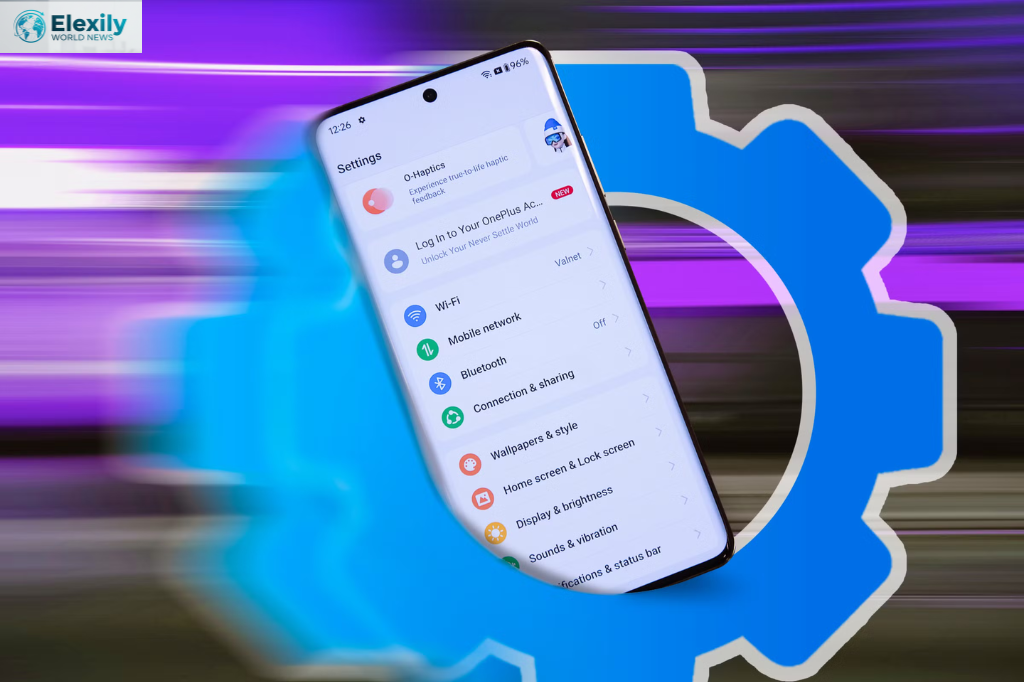
The NSA warning update recommends adjusting key settings to prevent attacks. Disabling unnecessary location services, controlling app permissions, and blocking popups are essential. Doing so enhances smartphone security and prevents malware installation scripts from running silently.
Users should also enable strong password protocols and regularly change passwords. These actions, combined with mobile device best practices, minimize the chance of Gmail warning alerts turning into serious compromises. Following official NSA guidance ensures safety without sacrificing convenience.
Close All Apps If You See This
When a suspicious popup appears, the NSA warning update instructs users to forcibly close applications immediately. This simple action can halt malware installation scripts and remove ongoing threats. NSA warning update Both iPhone and Android users benefit from a quick restart device to clear potential attacks.
Ignoring these warnings risks ClickFix malware, malicious popups, and technical faults disguised as captchas continuing to run unnoticed. Following these steps along with antivirus checks prevents hackers from accessing sensitive data and mitigates payment details compromise.
Linked Devices and Group Invite Links on Signal
The NSA warning update highlights risks in linked devices and group invite links on messaging apps like Signal. Hackers exploit popup data fields and malicious popups to gain unauthorized access. Users must manage device connections carefully to prevent breaches.
Maintaining encrypted calls and texts and checking linked devices regularly aligns with cyber defense guidance. Ignoring these warnings may allow hackers targeting email accounts and mobile apps to gain entry unnoticed. Following this advice keeps your communications private and secure.
White House Says ‘Case Closed’
Official statements confirm the NSA warnings are being addressed. While some alerts may seem minor, the White House assures that the latest NSA warning update reflects proactive measures to protect public systems. Following government-approved guidance ensures safety.
This declaration emphasizes compliance with security advisories and implementation of mobile device best practices. Apple, Google, Samsung warnings are part of a broader effort to reduce public WiFi risks and prevent PC threat / Mac threat attacks, giving users a clear action framework.
Steps to Protect Your Devices Immediately
To stay safe from attacks noted in the NSA warning update, update your OS and apps, install software only from official app stores, and enable antivirus check protocols. Avoid unknown links, suspicious downloads, and malicious popups to reduce risks.
Regularly change passwords, back up important data, and use encrypted calls and texts for sensitive communications. Combining these steps with mobile device best practices prevents ClickFix malware or technical faults disguised as captchas from causing permanent damage.
How Hackers Exploit Mobile Devices
Hackers use malware installation scripts, technical faults disguised as captchas, and malicious popups to infiltrate devices. They exploit zero-day exploits, phishing attacks, and popup data fields to steal credentials or install hidden spyware, often targeting both iPhone and Android users.
Public WiFi, unverified apps, and ignoring OS and app updates increase vulnerability. Nsa Warning update Following cyber defense guidance, antivirus checks, and mobile device best practices significantly reduce exposure. Hackers constantly adapt, making vigilance essential to prevent payment details compromise.
Common Mistakes Users Make Ignoring NSA Warnings
Many users ignore unexpected pop-ups or fail to update apps regularly, creating opportunities for ClickFix malware and malicious popups. Others reuse passwords or ignore antivirus checks, increasing risk of PC threat / Mac threat infections.
Failing to follow National Security Agency (NSA) guidance, skipping mobile device best practices, or neglecting warnings from Apple, Google, Samsung leaves devices exposed. Awareness and quick action, including forcibly close applications, prevent hackers from exploiting devices or sensitive data.
Stay Updated: Monitoring Future NSA Warnings

Remaining alert to new NSA warning update releases is vital. Subscribing to official security advisories and monitoring alerts ensures timely action against malware installation scripts, phishing attacks, and technical faults disguised as captchas.
Tools like automated notifications, newsletters, and official app updates help track emerging threats. Following cyber defense guidance and practicing mobile device best practices consistently prepares users to respond effectively, reducing public WiFi risks and safeguarding sensitive information and more.
Table: Quick Comparison of iPhone vs Android Risks
| Device Type | Common Threats | Recommended Action |
| iPhone | Malicious popups, phishing, app exploits | Update OS, official app stores, encrypted calls |
| Android | ClickFix malware, popup scripts, zero-day exploits | OS/app updates, antivirus check, block popups |
FAQS
What is a NSA warning?
A NSA warning is an official alert from the National Security Agency about cybersecurity threats targeting devices, networks, or personal data.
What is the NSA warning about cell phones?
It warns about malicious apps, popups, and exploits that can steal data or compromise smartphones.
What is the biggest security threat today?
The biggest threat is phishing attacks, malware, and zero-day exploits targeting mobile devices and PCs.
Why does the NSA advise you to turn off your phone?
Turning off the phone can stop malware or suspicious scripts from running and reduce attack risks.
Can I test to see if my phone is hacked?
Yes, by checking for unusual behavior, unknown apps, high data usage, or using trusted antivirus check tools.





Leave a Reply