

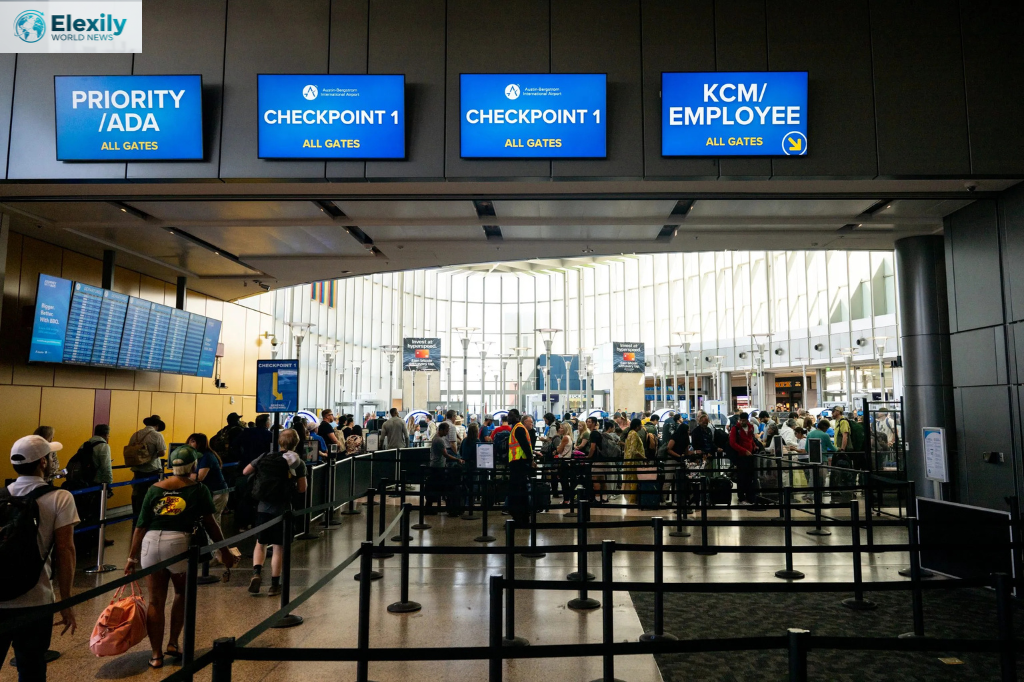
Air travel in the United States can be unpredictable, and DFW Austin Airport Ground Stops are one of the most common disruptions passengers face. These ground stops occur when flights cannot depart due to airport weather delays, air traffic congestion, or FAA ground stop protocols, ensuring passenger safety during airport delays.
Travelers often experience DFW flight delays, missed connections, or Austin Airport delays, making it essential to stay informed. Understanding how ground stops work, what triggers them, and how to track real-time flight alerts can save time, reduce stress, and help passengers make smarter travel decisions when flying through DFW or Austin Airport.
What Are DFW Austin Airport Ground Stops?
A DFW Austin Airport Ground Stop happens when aircraft are held on the ground and cannot take off. Unlike simple delays, ground stops occur due to broader airport congestion and flight delays, emergency ground stop alerts, or air traffic control directives. These stops ensure passenger safety during airport delays and prevent runway or airspace conflicts. For example, if there is severe weather at Austin Airport or DFW, flights may pause to avoid accidents. Flight cancellations DFW often follow when ground stops extend for hours.
Ground stops affect both departing and connecting flights. Passengers might face connecting flight delays DFW, missed layovers, or disrupted schedules. Airlines notify travelers through flight delay notifications, and airport staff update DFW airport traffic updates continuously. Knowing what a ground stop means helps travelers plan better, reduce stress, and make informed decisions about their journey.
Common Causes of Ground Stops at DFW and Austin Airports
Ground stops are triggered by various factors. The most frequent cause is airport weather delays, such as thunderstorms, fog, snow, or hurricanes. Air traffic congestion also leads to stops when multiple flights compete for limited runways, a situation monitored closely in DFW airport operations. Security issues, equipment malfunctions, or maintenance work may also require an FAA ground stop, temporarily halting all departures. These situations lead to airline travel disruption, affecting both domestic and connecting flights.
Some ground stops are sudden, like an emergency ground stop, which can occur if a runway becomes unsafe or if airspace restrictions are enforced. These events create a ripple effect across flights, increasing Austin Airport delays and DFW flight delays. Travelers should monitor DFW airport travel advisory updates and follow instructions to stay safe. Airlines may offer Austin Airport flight rescheduling options during such events.
How Ground Stops Impact Flight Schedules and Travelers
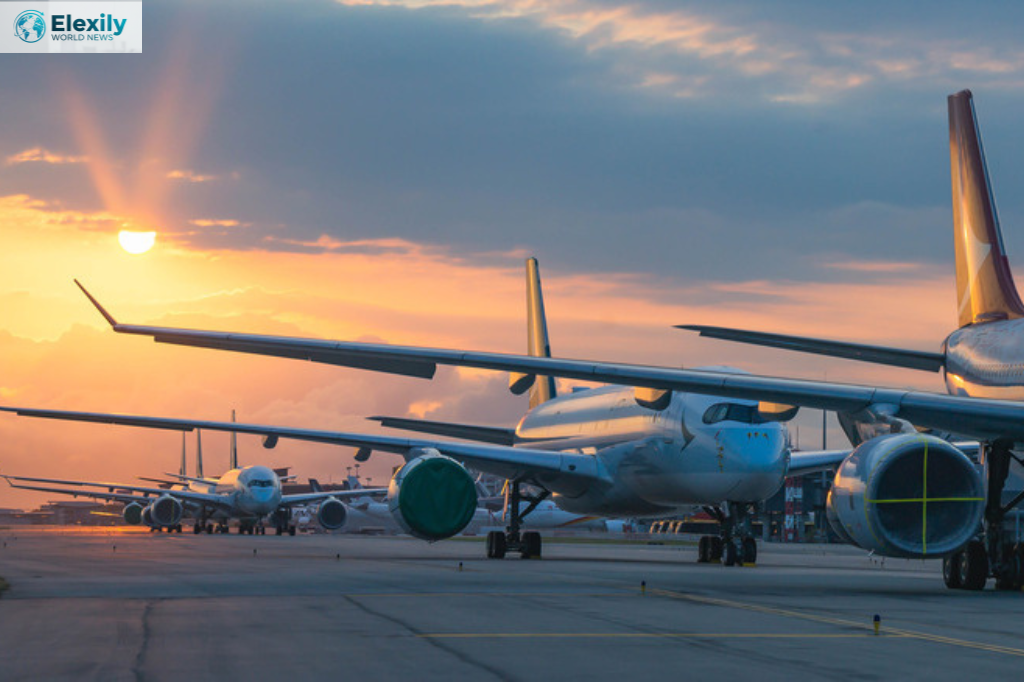
DFW Austin Airport Ground Stops can dramatically change flight schedules. Departures are paused, arrivals are delayed, and connecting flights face significant disruptions. For instance, passengers on DFW to Austin flights affected might miss onward connections, forcing airlines to rebook or dfw austin airport ground stops provide compensation. Flight cancellations DFW increase during prolonged stops, and airport closure due to weather can extend waiting times for hours.
Travelers also experience indirect impacts. Airport services like baggage handling, security, and boarding may slow down, causing airline travel disruption beyond the flights themselves. Monitoring real-time flight alerts and flight status monitoring tools is essential to understand dfw austin airport ground stops potential delays. Airports provide DFW airport traffic updates regularly, helping passengers adjust plans and minimize inconvenience.
Real-Time Updates: How to Track DFW Austin Airport Ground Stops
Keeping informed is critical during ground stops. Airlines and airports provide real-time flight alerts through apps, SMS notifications, and email. Websites like FlightAware and FAA portals offer FAA flight restriction updates, letting passengers see which flights are paused or delayed. Checking these updates frequently helps travelers prepare for connecting flight delays DFW or rescheduling needs.
Social media platforms and airport websites also share DFW airport travel advisory posts. Travelers should watch for airport closure due to weather, security alerts, or air traffic control delays. Staying proactive with information allows passengers dfw austin airport ground stops to plan meals, accommodations, or alternative routes while waiting for their flights.
Airline Notifications: Staying Alert During Ground Stops
Airline alerts are the first line of communication for passengers. Notifications include flight delay notifications, gate changes, and Austin Airport flight rescheduling instructions.American, Delta, and Southwest send messages directly to travelers’ phones or email addresses, keeping them informed about any DFW flight delays or Austin Airport delays. & dfw austin airport ground stops.
It is important to enable notifications and check the airline app frequently. Alerts often include real-time flight alerts, estimated departure times, and advice for connecting flights. Following airline instructions guarantees passenger safety during airport delays and reduces confusion during chaotic ground stops & dfw austin airport ground stops.
Weather Conditions That Trigger Airport Ground Stops
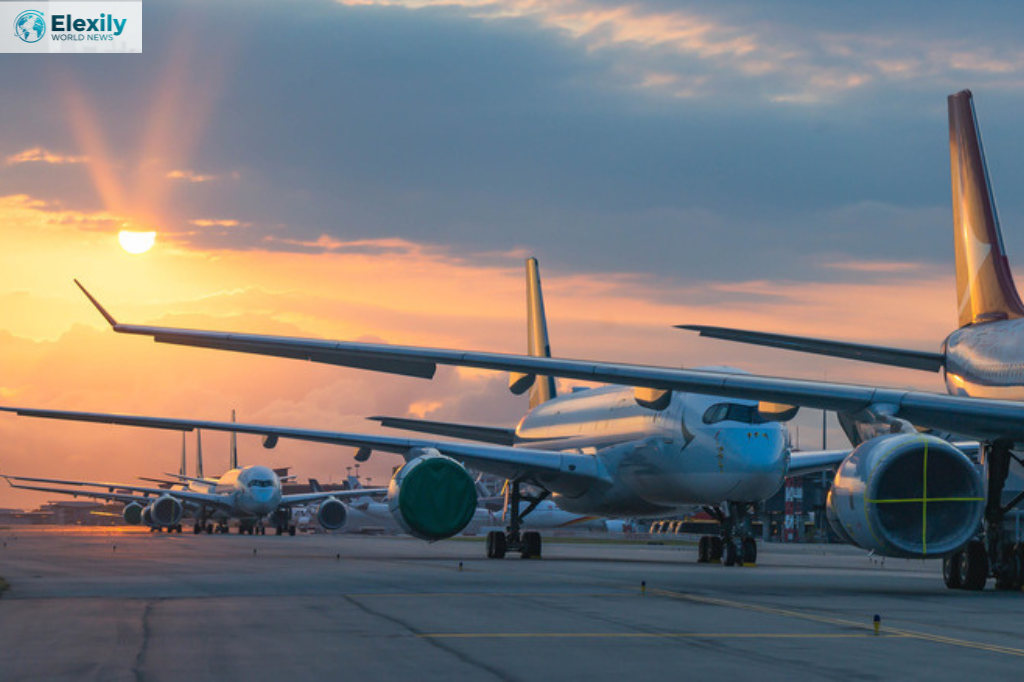
Weather is a major reason for airport weather delays. Thunderstorms, fog, snow, extreme heat, or hurricanes can halt departures and arrivals at DFW and Austin. Severe weather forces airport ground hold procedures to protect passengers and crew. Emergency ground stop alerts are issued when conditions compromise runway or airspace safety.
Ground stops due to weather may last from a few minutes to several hours. Travelers should monitor DFW airport travel advisory updates and plan for contingencies. Understanding dfw austin airport ground stops how ground stops work at airports during adverse weather allows better preparation for flight changes.
Safety Measures Implemented During Ground Stops
During ground stops, airports and airlines actively prioritize safety. Staff closely monitor runways, airspace, and boarding areas to protect passengers during airport delays. The FAA enforces ground stop protocols that guide aircraft movements and minimize accidents. Air traffic controllers manage delays carefully to keep operations orderly at busy hubs like DFW and Austin.
Crew members coordinate with airline operations to manage boarding, luggage, and passenger information. Emergency services and medical teams are on standby if needed. These safety measures make DFW Austin Airport Ground Stops stressful yet secure for travelers & dfw austin airport ground stops.
Tips for Minimizing Travel Disruptions During Ground Stops
Travelers can take several steps to reduce inconvenience. Arriving early, monitoring real-time flight alerts, and keeping backup travel plans are key. Using apps for flight status monitoring helps track connecting flight delays DFW. Preparing snacks, water, and entertainment ensures comfort during extended waits.
Purchasing flexible tickets and travel insurance provides financial protection. Understanding DFW airport travel advisory updates and following airline notifications can prevent surprises. Passengers aware of how ground stops work at airports handle disruptions with ease and confidence.
Alternative Travel Options When Flights Are Delayed
When flights face long delays or cancellations, alternatives can save the day. Driving, ride-sharing, buses, or trains are viable options, especially for DFW to Austin flights affected. Some travelers may rebook on later flights or use nearby airports. Airlines may dfw austin airport ground stops offer vouchers for Austin Airport flight rescheduling, reducing stress during ground stops.
Understanding alternative routes and transportation options ensures smoother travel. Planning early, checking DFW airport traffic updates, and coordinating with airlines minimizes delays. This proactive approach complements travel tips for delayed flights and enhances overall safety and convenience & dfw austin airport ground stops.
Passenger Rights and Airline Policies During Ground Stops
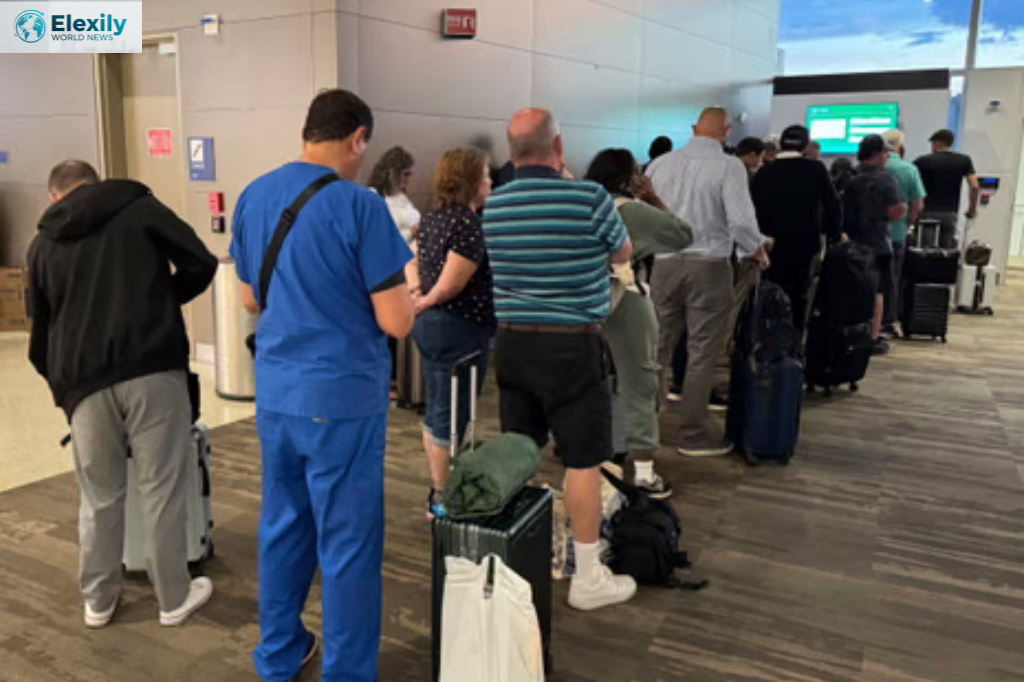
Passengers have rights during flight disruptions. Airlines provide flight delay notifications, rebooking, and compensation according to FAA and airline regulations. Flight cancellations DFW trigger refund or reschedule options. Knowing these policies helps travelers demand proper assistance when facing airport closure due to weather or air traffic control delays.
Travelers should document flight changes and confirm alternative arrangements. Airline apps, customer service, and real-time flight alerts assist in resolving issues. Awareness of passenger safety during airport delays ensures a smoother, protected travel experience.
How Long Do Ground Stops Typically Last at DFW and Austin?
Ground stops vary in duration. Minor operational delays may last 15–30 minutes, while airport weather delays or emergency ground stop events can extend for several hours. Average Austin Airport delays last about 1–3 hours, though extreme weather may prolong stops. Airlines provide updates dfw austin airport ground stops through flight status monitoring tools, giving travelers realistic expectations.
Historical data shows that heavy air traffic or runway closures at DFW can extend DFW flight delays significantly. Passengers should anticipate delays during peak travel seasons and rely on DFW airport travel advisory updates to adjust their schedules & dfw austin airport ground stops.
Preparing in Advance: Tools and Apps for Smooth Travel
Preparation is essential for handling ground stops. Apps like FlightAware, FAA portals, and airline mobile apps provide real-time flight alerts and FAA flight restriction updates. Checking DFW airport traffic updates and monitoring Austin Airport flight rescheduling options helps avoid surprises. Travelers can create a backup plan for connecting flight delays DFW and unexpected cancellations.
Having notifications enabled and using flight status monitoring tools ensures travelers stay informed. Following DFW airport travel advisory instructions and understanding how ground stops work at airports allows safe and stress-free journeys, even during disruptions and dfw austin airport ground stops more.
Table: Common Causes and Duration of Ground Stops
| Cause | Typical Duration | Impact on Travelers |
| Severe Weather | 1–3 hours | Delayed departures, connecting flight issues |
| Air Traffic Control Delays | 30–60 minutes | Slower departures, congestion |
| Runway Maintenance / Equipment | 1–2 hours | Temporary flight cancellations |
| Emergency Ground Stop | Variable | Immediate halt, rebooking required |
| Security Alert / Airport Closure | 1–4 hours | Major rescheduling and travel disruption |
FAQS
What does it mean when an airport is on a ground stop?
A ground stop means flights cannot take off from or arrive at the airport temporarily, usually due to weather, traffic, or safety concerns.
Are flights delayed at DFW right now?
Flight delays at DFW vary daily; checking real-time flight alerts or the airline website gives the most accurate status.
How long does a ground stop last?
Ground stops can last from 15 minutes to several hours, depending on the cause, like weather or air traffic control.
Can you sleep overnight at Dallas Fort Worth airport?
Yes, passengers can sleep overnight in terminals, but seating is limited and comfort varies.
Are there sleeping pods in DFW airport?
No, DFW currently does not have sleeping pods, but some lounges may offer quiet resting areas.











Leave a Reply