

Introduction
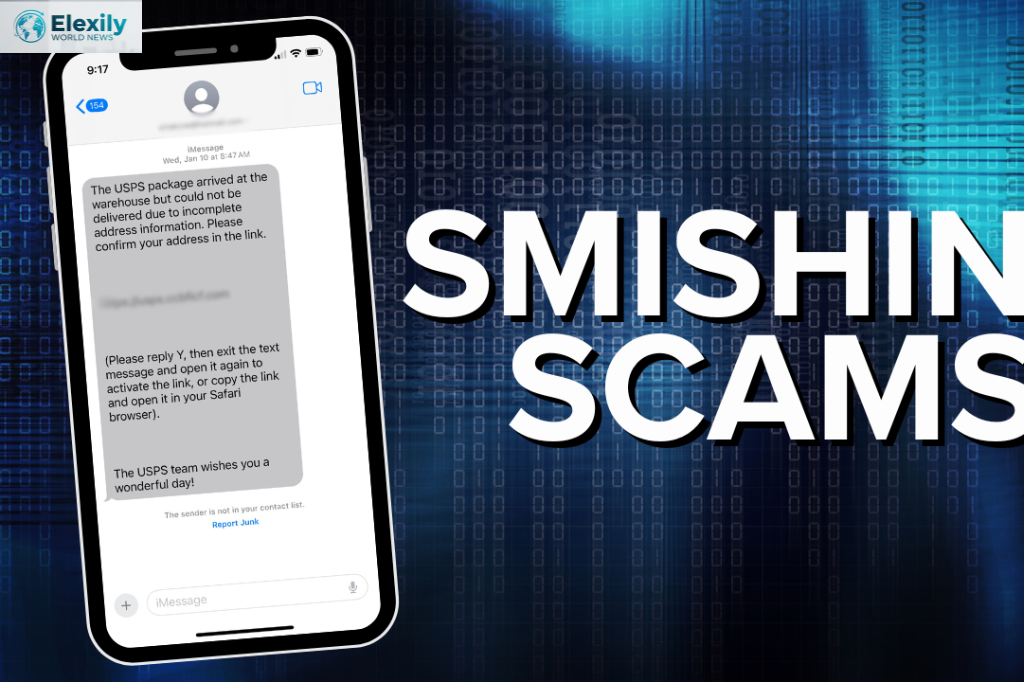
In recent years, Country Code 63 Scams have become a growing problem for people in the USA. Many residents receive unexpected +63 scam calls from unknown numbers, often involving international phone fraud. These calls are designed to trick victims into sharing personal details or making payments.
While some calls might seem harmless, most are fake Philippines calls that can lead to serious identity theft calls or financial scams over phone. Understanding why these calls happen, how to spot them, and what steps to take is essential to stay safe. Being informed is the first step in protecting yourself from these persistent threats.
What Does Country Code 63 Actually Mean?
The number +63 is the international dialing code for the Philippines. Anyone calling from this country will have a number starting with +63. Many US residents notice these numbers on their phones and wonder if the call is safe. While some calls are legitimate, many are fake Philippines calls designed to scam people.
Understanding phone call scams is important. Telemarketing scams often use this code to trick people, and scammers exploit it to make calls appear local or legitimate. Knowing the origin of the call helps you identify dangerous scam calls before answering.
Why Are You Receiving Calls from +63 Numbers?
You might be receiving these calls because scammers target numbers in the USA. Scams targeting mobile users often involve random dialing or purchased lists of numbers. The goal is to find people who might respond to fake claims or threats.
Some calls may come from legitimate businesses in the Philippines, but many are +63 scam calls. They try to create urgency or fear, so victims share personal information. Understanding how to identify scam calls helps Country Code 63 Scams protect your personal data.
Are Country Code 63 Calls Really Scams?
Not all +63 numbers are scams. Some calls are from friends, relatives, or companies with business in the Philippines. However, a large number of calls are spam calls from Philippines. They involve fake offers, prizes, or urgent threats to trick victims.
Phone scam warning signs include unknown numbers, requests for personal information, and pressure tactics. If a call seems suspicious or too good to be true, it is likely a scam phone number. Knowing the difference prevents identity theft calls & Country Code 63 Scams.
How Country Code 63 Scammers Trick Their Victims
Scammers use fear, urgency, and false promises. They may claim you owe money, won a prize, or are under investigation. Many fake Philippines calls instruct victims to provide bank details or pay fees immediately.
These calls are a form of financial scams over phone. Scammers often use phishing calls from Philippines to steal sensitive data. Once they have information, they may commit identity theft or unauthorized transactions & Country Code 63 Scams.
Common Types of Philippines Phone Scams Using +63
Common scams include lottery fraud, tech support scams, and IRS impersonation. In lottery scams, victims are told they won a prize but must pay fees to claim it. Tech support scams claim your device is infected and request remote access. IRS impersonation threatens legal action if victims don’t pay.
| Scam Type | Description | US Target Example |
| Lottery Scam | Victim told they won money | Pay a “processing fee” to claim prize |
| Tech Support Scam | Fake virus or malware alert | Request remote access to computer |
| IRS/Tax Scam | Threat of legal action | Demand immediate payment via phone |
These scams exploit fear and urgency, common in dangerous scam calls targeting US residents.
Warning Signs That a +63 Call Is a Scam
A call is likely a scam if the number is unknown, the caller pressures you, or asks for personal info. Promises of money or urgent threats are strong red flags. Phone scam warning signs include odd accents, background noise, or repeated calls.
Country Code 63 Scams Scammers often disguise their identity. Look out for suspicious calls from +63, requests for banking info, or threats of arrest. These are classic signs of fake Philippines calls and identity theft calls.
What Happens If You Answer a Country Code 63 Scam Call?
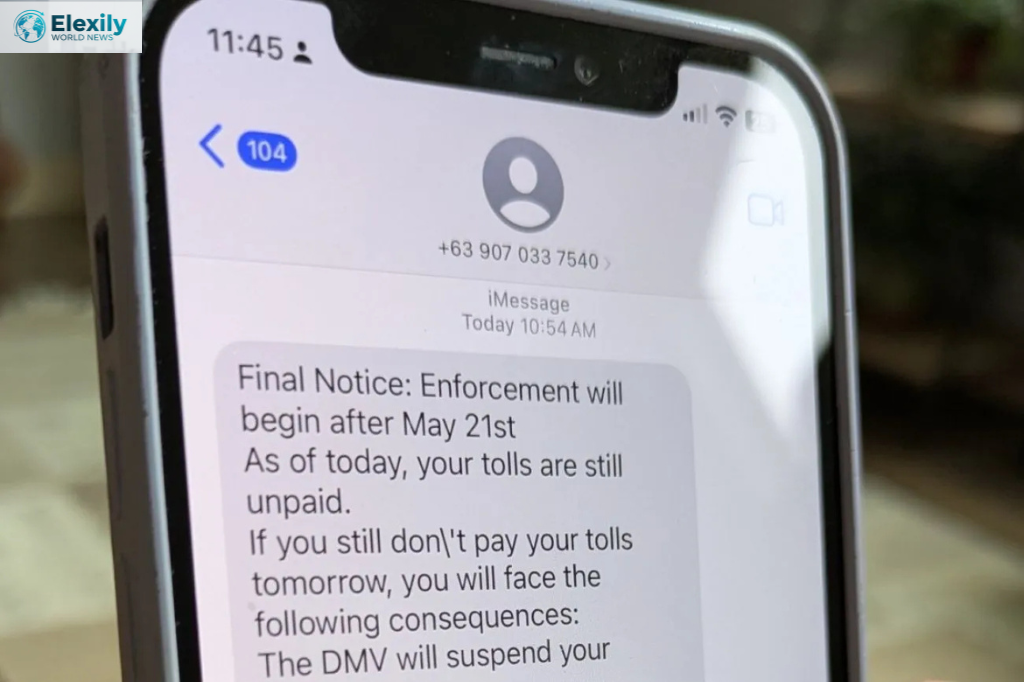
Answering a scam call may lead to financial scams over phone. Scammers can trick you into paying fees or sharing sensitive information. Some may use call-back schemes to increase your phone bill.
Dangerous scam calls can also lead to identity theft. Personal information may be used to open accounts or access existing ones. Once scammers have your data, recovery can be long and difficult & Country Code 63 Scams.
How to Stop Country Code 63 Scam Calls on Your Phone
You can block +63 scam calls by using your phone’s built-in features or apps. Both Android and iOS allow number blocking. Additionally, registering with the Do Not Call Registry reduces unsolicited calls.
Apps for blocking numbers can filter international phone fraud automatically. They detect spam calls from Philippines and alert you before answering. Consistent use of these tools greatly reduces the risk of scams targeting mobile users & Country Code 63 Scams.
How to Block and Report +63 Scam Numbers
US residents can report scam calls to the Federal Trade Commission (FTC) or the Federal Communications Commission (FCC). These agencies track +63 scam calls and warn the public.
To block numbers, add them to your phone’s blacklist or use apps that detect scam phone numbers. Reporting helps authorities fight Country Code 63 Scams telemarketing scams and identity theft calls. Official reporting links includehttps://www.ftc.gov.
Safety Tips to Protect Yourself from International Phone Scams
Avoid answering unknown numbers and never share personal information. Always verify the caller’s identity before taking action. Protecting personal information from scammers is the most important defense.
Educate family and friends about phishing calls from Philippines and spam calls from Philippines. Awareness reduces the chances of falling victim to dangerous scam calls and financial scams over phone.
Real Examples and Stories of Country Code 63 Scams
Many US residents report receiving calls claiming they won money or face legal issues. One case involved a retiree who received multiple +63 scam calls threatening IRS action. She avoided loss by recognizing phone scam warning signs.
Another case involved a tech support scam where fake Philippines calls requested remote computer access. Awareness and caution prevented identity theft calls and financial scams over phone & Country Code 63 Scams.
Final Thoughts: Stay Alert and Don’t Fall for Country Code 63 Scams
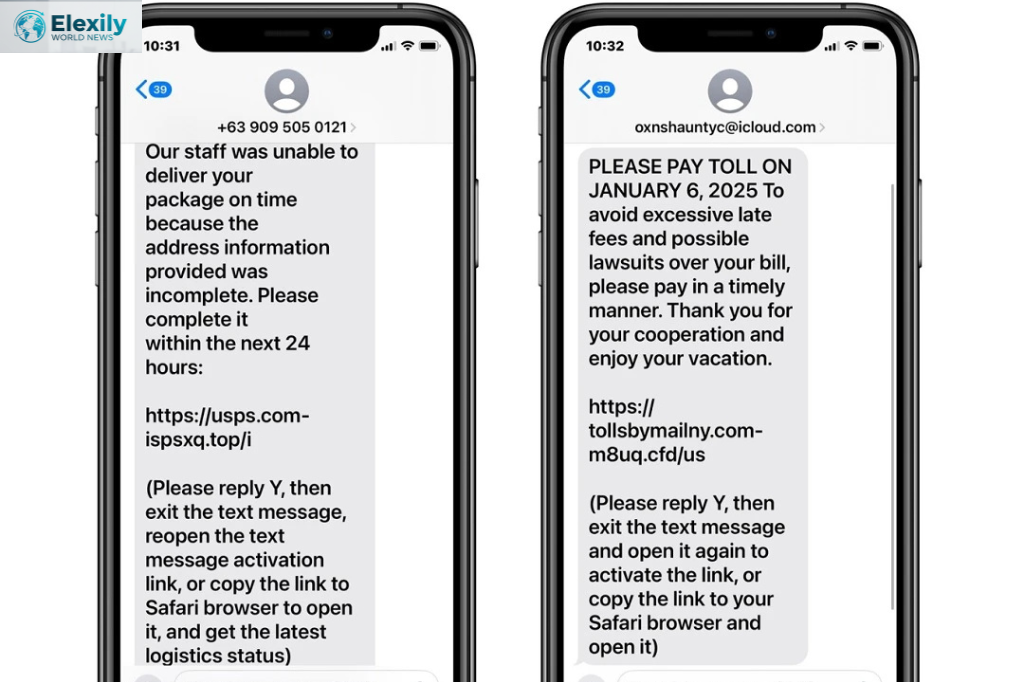
Country Code 63 Scams are real threats for US residents. Understanding why am I receiving +63 calls and knowing the signs helps protect your finances and personal information.
Always block unknown numbers, report suspicious calls, and educate others. Following these steps reduces exposure to +63 scam calls, telemarketing scams, and dangerous scam calls, keeping you safe from international phone fraud and Country Code 63 Scams more.
FAQS
- Is it safe to answer a call from +63?
It’s usually not safe unless you know the caller, as many +63 calls are +63 scam calls targeting US users. - How do you tell if a scammer is texting you?
Look for messages asking for money, personal info, or containing suspicious links—these are phone scam warning signs. - Where is the +63 country code?
The +63 code belongs to the Philippines. - Why am I getting calls from +63?
Scammers or telemarketers often target US numbers with spam calls from Philippines. - Is it safe to answer unknown numbers?
No, answering unknown numbers can expose you to identity theft calls or financial scams over phone.







Leave a Reply