

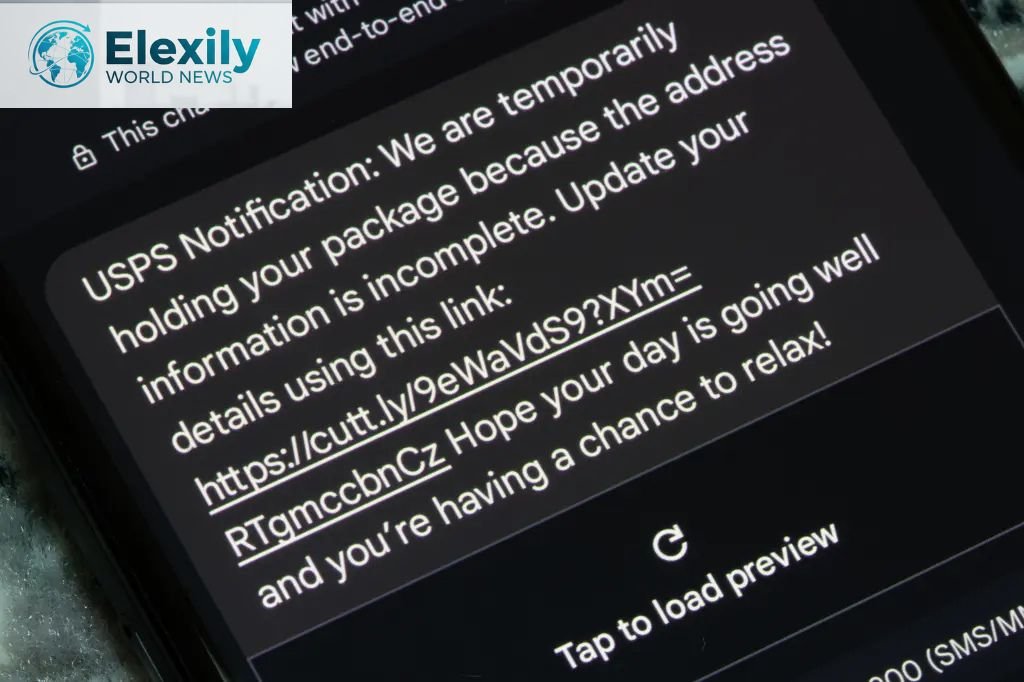
In recent months, the FBI warning smartphone users delete messages has made headlines as cybercrime rises across the USA. Criminals are sending phishing text messages and malicious smartphone texts disguised as official alerts, including unpaid fines or account problems. These scams often include dangerous phishing links designed to steal personal or financial data.
FBI warning smartphone users delete messages: Experts warn that ignoring these texts isn’t enough, because interacting with them could lead to payment information theft via text or malware infection. Americans are urged to delete suspicious messages immediately and report them to authorities. Staying vigilant and understanding how to recognize scam texts is now essential to protect privacy and devices.
Why the FBI Is Warning Smartphone Users About Scam Messages
The FBI warning smartphone users delete messages has become urgent due to a surge in FBI scam text warning, phishing text messages, and smishing scam alerts. Criminals target unsuspecting Americans with threats about unpaid fines, account issues, or fake packages. Ignoring messages isn’t safe, and deletion is essential to protect smartphone privacy.
Officials report that each malicious text could contain dangerous phishing links or malware through text links. The rise in unpaid toll scam SMS and DMV fake text messages highlights the sophistication of these schemes. By taking action, citizens help stop payment information theft via text and avoid falling into traps.
How the FBI Investigates Growing Digital Scam Trends in the USA
The FBI monitors criminal activity through international cyber divisions, examining reports like the Forbes phishing scam report. They study patterns of scammers threatening jail or fines and spoofed local phone numbers. The FBI and local police advisory warn that deleting and reporting messages aids in tracking organized Chinese criminal groups scam operations.
How Scammers Use Phishing and Smishing to Steal Your Data

Scammers deploy malicious smartphone texts to trick users into sharing personal details. Phishing text messages can ask for banking information, Social Security numbers, or passwords. Smishing scam alerts exploit fear and urgency, making users more likely to tap on links, which can lead to payment information theft via text or full device compromise.
Modern attacks combine fake traffic offense fines with threatening language. Links often install malware or spyware. Cybercriminals monitor interactions and can steal contacts and credentials. Authorities stress the need to delete suspicious text messages and avoid engaging to maintain safety.
The Difference Between Scam Links, Malware, and Spyware in Texts
Scam links can redirect to fake login pages, while malware secretly installs harmful software. Spyware captures data without permission. Both can occur through dangerous phishing links. Learning how to recognize scam texts helps avoid these traps. Users are advised to delete and report spam messages immediately to prevent theft.
Why Scammers Impersonate Officials Like FBI, DMV, and Banks
Impersonation is a tactic to instill trust. Criminals pose as the FBI, DMV, or banks to pressure users into action. FBI urging smartphone users and Department of Motor Vehicles text scam alerts are common examples. The threat of losing driving privileges or facing jail creates panic, pushing victims to respond without thinking.
Scammers rely on authority to gain compliance. Fake warnings often contain sense of urgency scam messages and personal identifiers to appear genuine. Recognizing these patterns is vital to protect personal information and avoid the danger of interacting with scam texts.
Psychological Tricks Scammers Use to Make You Believe Their Lies
They use fear, urgency, and fake logos. Scammers threatening jail or fines often claim government penalties. Texts may show spoofed local phone numbers or mimic official email formats. Awareness of these tricks is essential, along with following FBI text message security advice to remain safe.
Red Flags: How to Identify a Scam Text Message Instantly
Immediate signs include unknown numbers, strange URLs, or grammar mistakes. Spam text message red flags often involve false claims about payments, threats, or urgent actions. Links labeled as “click now” are typically dangerous phishing links. Users should be cautious even if messages appear official.
Other indicators include fake traffic offense fines, requests for personal details, or attempts to pressure you. The best practice is to delete suspicious text messages and report junk text messages to authorities, minimizing exposure to malware through text links or identity theft and FBI warning smartphone users delete messages.
Key Signs That Your Phone Text Isn’t From a Genuine Source
Look for inconsistencies like unofficial sender addresses or odd spelling. Threats from unfamiliar numbers, DMV fake text messages, or unexpected account warnings are strong warning signs. The FBI recommends using FBI phishing scam prevention guidelines to verify before clicking or replying.
What to Do If You Receive a Suspicious or Scam Text
Never respond to messages asking for personal information. Instead, immediately delete and report spam messages. Forward scams to your carrier or reporting spam on iPhone and Android systems. This prevents accidental engagement and helps authorities track organized Chinese criminal groups scam activities.
Avoid downloading attachments or following embedded links. Keep your device security updated and monitor for unusual activity. Following FBI Supervisory Special Agent statement advice ensures you stay protected against malicious smartphone texts and phishing attempts for FBI warning smartphone users delete messages.
Should You Delete, Report, or Block Scam Texts?
Deletion alone helps avoid accidental taps. Reporting improves detection systems and supports investigations. Blocking numbers stops repeated attempts, but threats can use multiple spoofed local phone numbers. Combining all measures ensures maximum safety for your device and personal data.
What Happens If You Click the Link or Share Personal Information?
Clicking scam links may install malware or spyware, granting criminals access to sensitive data. Sharing banking credentials, Social Security numbers, or passwords can lead to payment information theft via text, identity theft, or financial loss. The risk grows with repeated engagement the FBI warning smartphone users delete messages.
Even accidental interaction can compromise your device. FBI text message security advice stresses avoiding unknown links. Cybercriminals can track your location, monitor communications, or harvest login credentials through dangerous phishing links. Immediate deletion is the safest approach.
Consequences of Sharing Social Security Number, IDs, or Bank Data
Exposure can trigger unauthorized transactions, tax fraud, and long-term identity issues. Victims often face months of recovery. Authorities urge users to report breaches and follow FBI phishing scam prevention tips to reduce risks. Protecting personal information is essential for long-term digital safety.
Why Phone Carriers Can’t Block All Scam Messages
Phone networks filter many spam messages but can’t catch all threats. Cybercriminals use spoofed local phone numbers, international servers, and constantly changing tactics. Even FBI and local police advisory admit some malicious smartphone texts bypass carrier filters.
AI filters help but are imperfect. Scammers exploit loopholes, creating new phishing text messages daily. Users cannot rely solely on carrier protection and must actively delete suspicious text messages to stay safe and prevent identity theft.
Role of AI Filters and Why They Still Fail to Detect Scams
Filters detect repeated patterns, but unique scams evade detection. Smishing scam alerts adapt language, sender numbers, and subject lines. Users who follow FBI text message security advice and report junk text messages help improve systems while safeguarding their devices.
Real-Life Examples of Trending Scam Messages (PayPal, Netflix, Apple ID, DMV)
Recent scams mimic PayPal, Netflix, Apple ID, and DMV messages. Victims receive alerts about unauthorized charges, account suspensions, or unpaid toll scam SMS. Criminals use fear to push users into clicking dangerous phishing links, often targeting organized Chinese criminal groups scam victims.
The table below shows typical examples:
| Scam Type | Message Example | Risk |
| PayPal | “Your account is limited, verify now.” | Payment information theft |
| Netflix | “Your subscription will be canceled, click here.” | Malware through text links |
| Apple ID | “Unusual login detected, confirm identity.” | Identity theft |
| DMV / Toll Fines | “Pay unpaid tolls immediately to avoid jail.” | Fake traffic offense fines |
Most Shared Fraudulent Text Templates in Recent U.S. Warnings
Messages often contain urgent language, threats, and links. Sense of urgency scam messages are the main tactic. Awareness of patterns and how to recognize scam texts is vital to avoid costly mistakes.
Rising Digital Threats: Cryptocurrency Scams, Privacy Concerns & Government Alerts
Cryptocurrency scams are growing, with fraudsters sending phishing text messages to steal wallet keys. Privacy concerns are rising as mobile apps collect more data. Authorities issue FBI and local police advisory statements to keep citizens informed. Protect personal information at all times.
New scams may mimic government alerts or financial apps. Malicious smartphone texts can steal cryptocurrency, bank details, or identity. Following FBI Supervisory Special Agent statement guidance reduces exposure to dangerous phishing links and digital fraud.
Why Authorities Believe These Scams Will Increase in 2025
The growth of mobile payments and cryptocurrency creates fertile ground for fraud. Scammers continually evolve smishing scam alerts, using fear, urgency, and authority. Users must stay alert, delete suspicious text messages, and follow FBI phishing scam prevention advice to avoid harm.
How to Report Scam Messages to FBI, FTC, and Your Carrier
The FBI and FTC provide official portals for reporting FBI scam text warning, DMV fake text messages, and phishing attempts. Forward texts to authorities or use in-device reporting tools. Reporting spam on iPhone and Android improves filters and helps track organized Chinese criminal groups scam activity.
Include sender number, message content, and timestamp. Early reporting allows FBI urging smartphone users and carriers to prevent further attacks. Deleting after reporting ensures users avoid malware through text links or accidental engagement.
Official Websites, Hotlines, and Reporting Forms for U.S. Citizens
Use https://www.ftc.gov/complaint for FTC reports and https://tips.fbi.gov/ for FBI reports. Carriers like Verizon or AT&T offer SMS forwarding. Following FBI text message security advice ensures the report contributes to FBI phishing scam prevention nationwide.
Tips to Protect Your Smartphone from Future Scam Attacks
Update apps, enable two-factor authentication, and avoid public Wi-Fi. Protect smartphone privacy by installing verified security apps and limiting permissions. Delete messages from unknown numbers immediately. Awareness of spam text message red flags keeps data safe from malicious smartphone texts and identity theft.
Regularly check accounts for unusual activity. Do not click dangerous phishing links. Combine FBI phishing scam prevention tips with personal vigilance to secure your device. Education is as important as technology in protecting sensitive information.
Smart Security Settings Every American Smartphone User Should Enable
Enable automatic software updates, strong passwords, and email alerts. Blocking spoofed local phone numbers and reporting junk text messages minimizes threats. Following FBI Supervisory Special Agent statement advice ensures long-term protection against evolving scams.
Final FBI Safety Advice for All Smartphone Users
The FBI strongly emphasizes immediate action. Delete, block, and report suspicious texts without delay. FBI warning smartphone users delete messages reduces exposure to dangerous phishing links and malware through text links. Vigilance protects your identity and finances from modern cybercriminals.
Maintaining awareness of how to recognize scam texts, using security tools, and following FBI text message security advice ensures smartphone safety. Regularly updating knowledge about scams supports FBI phishing scam prevention efforts and keeps users secure in a growing digital threat landscape and more.
FAQS About Fbi Warning Smartphone Users Delete Messages
Is the FBI warning smartphone users delete messages?
Yes, the FBI warns smartphone users to delete suspicious or scam messages to prevent phishing and malware.
Can the FBI get deleted text messages?
Deleted texts may be recoverable with forensic tools, but the FBI typically cannot access them unless part of an investigation.
What is the FBI warning for cell phone users?
The warning urges users to delete and report scam texts to protect personal information and prevent fraud.
Does the FBI warning smartphone users delete messages?
No, the FBI cannot access your texts without legal authorization, like a warrant.
Can forensics recover deleted texts?
Yes, specialized forensic tools can sometimes recover deleted messages from phones or backups.













Leave a Reply