

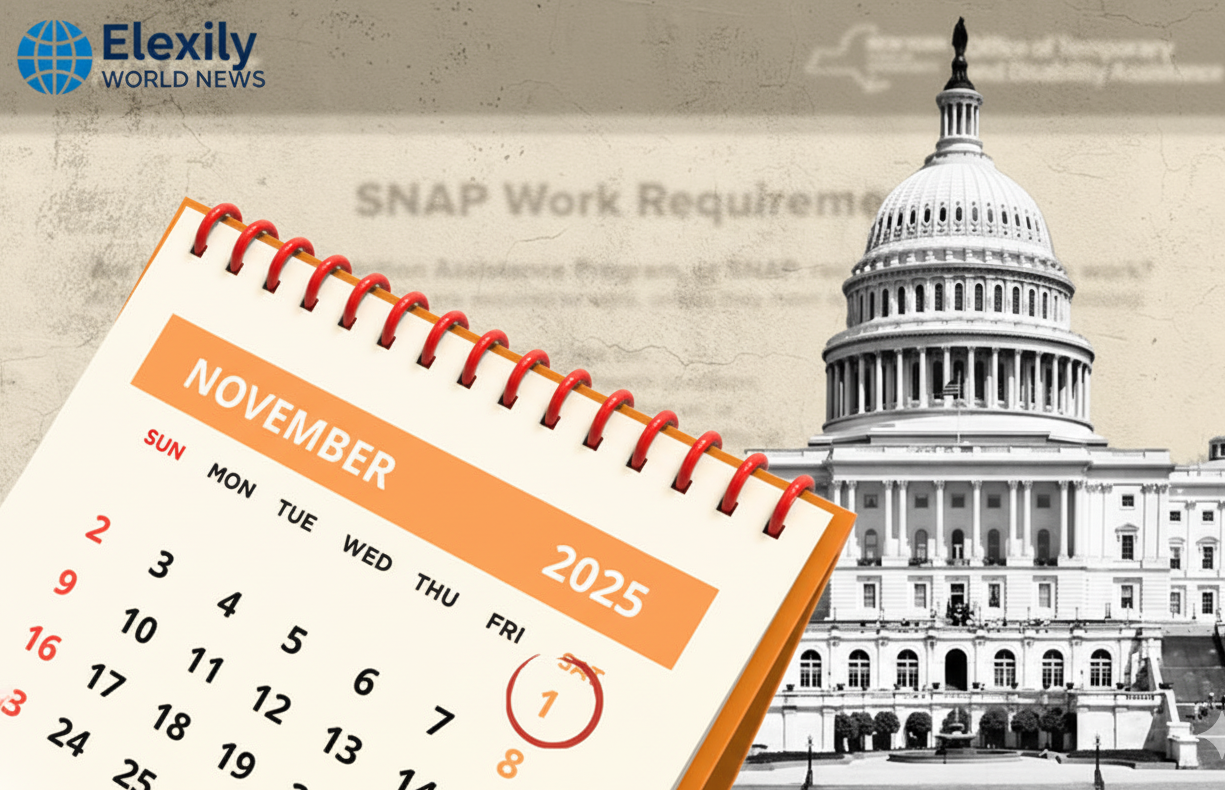
Introduction to the SNAP Food Aid Shutdown November Situation
The SNAP food aid shutdown November crisis created major worry across the country, especially for families who depend on monthly help to buy groceries. Many people feared delays in benefits because the shutdown disrupted normal government operations and raised concerns about how long emergency funds could last.
snap food aid shutdown november As discussions grew, experts warned that a long shutdown could increase hardship for millions and deepen hunger in vulnerable communities. The situation also sparked debate about program funding, policy decisions, and future stability. The possibility of reduced support left people uncertain about how to manage their daily needs during this unexpected and stressful national event.
What Led to the SNAP Food Aid Shutdown November Crisis
The issue began of when the US Department of Agriculture (USDA) warned about possible delays in USDA SNAP payments if the government agency shutdown continued. The cancellation or delay of a program as large as the Supplemental Nutrition Assistance Program is unusual because more than US population SNAP users rely on it every month. This includes over 42 million Americans, many of whom are children, seniors, veterans. The funding problems connected to the shutdown raised questions about how much money the USDA had available in contingency funds USDA and whether it could legally operate SNAP without approval from Congress of snap food aid shutdown november.
The political conflict became even more heated because some lawmakers supported the Trump administration SNAP policy, while others criticized it. The debate grew when reports from Bloomberg Businessweek and journalist Deena Shanker explained how past shutdowns created serious risks for millions of households. Legal experts like David Super from the Georgetown University Law Center questioned whether a shutdown could cause a full food stamp suspension, calling some moves illegal SNAP shutdown claims. Meanwhile, analysts from the Center on Budget and Policy Priorities studied how the SNAP system would react if a real funding break happened.
Historical Background and SNAP Cut History
The history of SNAP shows that previous political fights have led to many food assistance cuts. During earlier disputes, several lawmakers pushed for restrictions through bills such as the One Big Beautiful Bill Act, which aimed to reshape social assistance programs. The repeated conflicts created a long SNAP cut history that still affects the system today. These past reductions made low-income families more vulnerable whenever the federal government faced a spending deadlock.
Because of these earlier cuts, programs that should have been protected developed weaknesses. Experts from the Food Research & Action Center, including Gina Plata-Nino, said the system was already stretched thin before the government shutdown November began. They also warned that long delays would force more families to turn to community support like food pantries and food banks, especially when food banks surge demand during emergency moments.
Political Conflict and Democrats vs Republicans SNAP Debate
The political fight between Democrat-led states and the Republican Party grew stronger during the shutdown. Some Republicans supported tightening SNAP eligibility rules, while Democrats argued the moves would increase food insecurity in America and worsen the hunger crisis shutdown. The disagreement became even sharper when lawmakers such as Missouri Senator Josh Hawley publicly criticized opposing views.
Many Democrats pushed the USDA to use available SNAP contingency money, but critics said there was a contingency fund refusal at certain stages of the shutdown. Meanwhile, groups like Make America Healthy Again (MAHA) and the United We Eat (organization) added their voices to the public conversation. MAHA argued for health-focused reforms, while United We Eat focused on hunger relief. Some argued that the political tension also hurt farmers, especially soybean farmers, who were already struggling due to the trade war food aid impact and earlier issues related to the trade deal South Korea.
SNAP Benefits November 1 and the Risk of Logistic Delays
Many families were worried about whether SNAP benefits November 1 would arrive on time. The risk grew as the shutdown dragged on because a long fight in Washington could lead to SNAP logistical delays. These delays were dangerous because the program serves millions each month, and any interruption could quickly create a national emergency. The USDA prepared a USDA funding lapse plan, but experts warned it might not hold for long.
As confusion grew, community groups and state agencies started preparing for possible disruptions. Some states developed temporary responses known as state food aid response plans, which helped them handle benefit timing issues. Even with this support, the fear of a SNAP funding gap remained. Many families worried they would not have enough food if the shutdown lasted for many weeks.
The Federal Shutdown Impact on Food Aid Programs
The federal shutdown impact was felt far beyond SNAP. Many programs inside Health and Human Services were slowed, including committees like the vaccine advisory committee. Local networks that support low-income families faced deep pressure because more people started turning to emergency food programs. Local food groups reported sharp increases in demand because families could not wait for delayed benefits of snap food aid shutdown november.
Large food banks and small neighborhood food pantries tried to fill the gap caused by the crisis. Many of these places saw lines growing longer every day. Some volunteers said this was the worst pressure they had seen since the early pandemic years. Hunger relief groups and anti-hunger organizations pushed Congress to act fast before the situation became a nationwide emergency.
Table: Key Factors Affecting SNAP Food Aid Shutdown November
| Key Factor | Explanation |
| Federal funding gap | The SNAP funding gap created the risk of missed payments. |
| USDA contingency limits | Contingency funds USDA were not enough for a long shutdown. |
| Policy disputes | Conflicts between Democrats vs Republicans SNAP slowed solutions. |
| Operational delays | SNAP logistical delays affected state distribution systems. |
| Economic strain | The hunger crisis shutdown increased pressure on families. |
| Legal concerns | Some experts raised illegal SNAP shutdown claims. |
Legal and Court Challenges to USDA SNAP Decisions

Legal experts raised concerns about decisions made during the shutdown. Some argued that certain moves violated federal rules and called them illegal SNAP shutdown claims. Advocacy groups prepared court challenges USDA SNAP, arguing that the USDA had a responsibility to continue operations during a shutdown, especially for essential nutrition programs. Professors like David Super explained that SNAP’s legal structure makes it harder for the government to pause benefits without strong legal reasons for snap food aid shutdown november.
These court challenges aimed to force clearer explanations and to prevent similar problems in the future. Many lawyers believed that clearer laws were needed so shutdowns would not threaten essential food programs again. The legal debates also pushed many in Congress to consider long-term reforms.
Impact on Farmers and Food Supply Chains
The shutdown also affected American farmers. Many soybean farmers were still recovering from earlier issues linked to the trade war food aid impact, and the farm economy faced new stress when some USDA offices closed. Farmers needed access to data, loans, and support services, but the shutdown slowed everything.
The problems echoed past delays during negotiations connected to the trade deal South Korea, which also created headaches for agricultural groups. Farmers worried that a long shutdown could weaken exports, reduce income, and slow national food supply chains. Many said that the government needed to operate smoothly so markets could stay stable for snap food aid shutdown november.
Community Response to the SNAP Food Aid Shutdown November
Communities across the country tried to respond quickly to the crisis. Local groups, churches, and neighborhood networks worked together to support families affected by delays in USDA SNAP payments. Many community leaders said they had never seen such rapid growth in demand for help of snap food aid shutdown november.
Organizations such as Make America Healthy Again (MAHA) and the United We Eat (organization) organized emergency food drives. Volunteers helped pack grocery bags for families waiting on delayed benefits. Many local leaders said that if the shutdown continued much longer, even the strongest community programs would struggle to keep up through snap food aid shutdown november.
Case Study: How One City Handled the Shutdown
In one midwestern city, a network of local groups prepared early for the crisis. When they heard about risks to SNAP food aid, they began organizing emergency food storage. They contacted food banks, food pantries, and local stores to gather extra supplies. They also met with city leaders to discuss ways to help seniors and households with children for snap food aid shutdown november.
When the shutdown lasted longer than expected, the demand for help grew quickly. The community managed to support hundreds of families by using private donations and help from local businesses. Even though they faced heavy pressure, the community was able to keep most families fed until SNAP contingency money and state support arrived and more.
Conclusion
The SNAP food aid crisis during the government shutdown November revealed how fragile the system can be when political conflict blocks funding. Millions of families depend on the Supplemental Nutrition Assistance Program, and even a short delay can create a national emergency. Experts, lawmakers, community groups, and families all faced difficult questions about the future of food security in the United States. The event also showed that hunger is not only a financial issue but also a policy issue, a legal issue, and a community issue, and solving it requires cooperation from every part of society.
FAQS
What’s happening to SNAP benefits in November?
Some states may see delays or schedule changes, but benefits are still expected to be issued unless an extended funding disruption occurs.
Are we getting November SNAP benefits?
Yes, November SNAP benefits are still planned, though timing may vary depending on state processing and federal budget activity.
Is SNAP affected by government shutdown?
A long shutdown can slow operations, but short shutdowns generally do not stop benefits because emergency funds keep the program running temporarily.
What does it mean when your SNAP benefits are closed?
It means your case was stopped due to missing paperwork, eligibility issues, or renewal failure, and you must contact your state SNAP office to reopen it.
Who shut down snap food aid shutdown november?
No agency has fully shut down SNAP; only funding delays or administrative issues cause temporary disruptions, not a permanent shutdown of snap food aid shutdown november.












Leave a Reply